
Social media makes binge drinking look normal, fun and even desirable. “Blacking out” has become the goal. People are drinking to get drunk. This should not be normalized or glorified among anyone, but especially among youth who are underage.
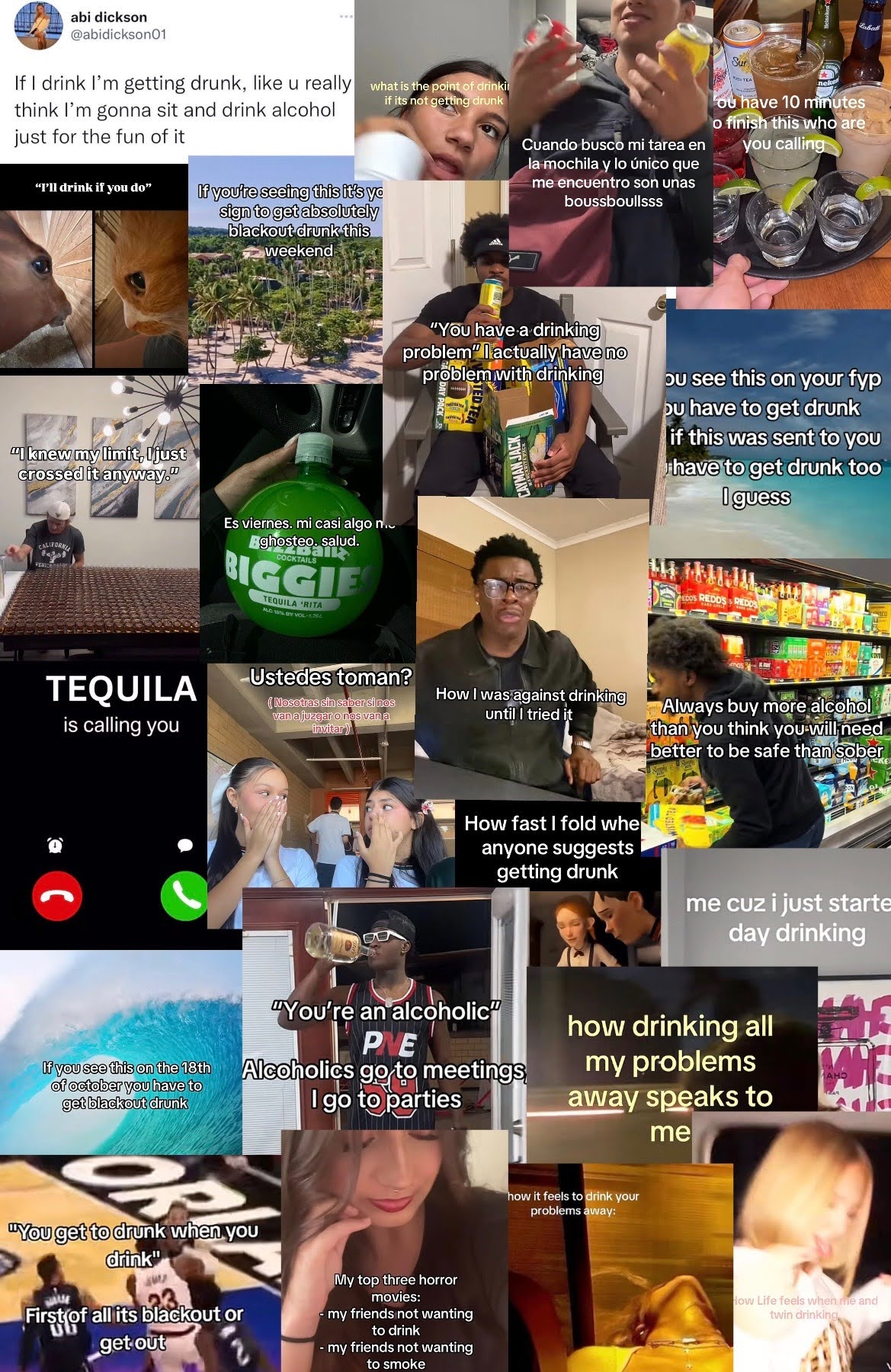
Instead of being shown as something risky and unhealthy, drinking is portrayed as fun or even aesthetic. Scroll on VSCO or Pinterest and pictures of a night out full of hard alcohol and blacking out on the floor are all over. People also post Snapchat stories of themselves or their friends taking shots, passing out, throwing up or hungover the next day. The following photos were found on Pinterest after searching with the single keyword “drinking.” I was surprised to find no posts on the dangers of drinking, health concerns or even just a gathering around the table with a single glass of wine. Instead, I was bombarded with “aesthetically pleasing” photos of hard liquor and people passed out on the floor.
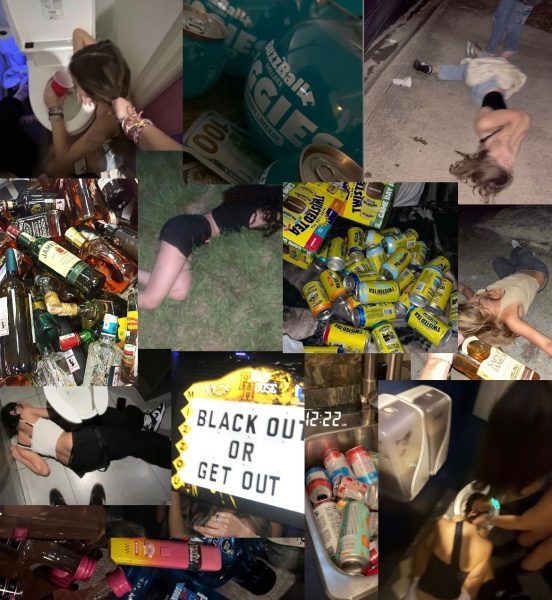
I have found that through scrolling on TikTok or Instagram as well, my algorithm feeds me glorified videos of binge drinking even though I am underage. There is almost a pressure to drink more than you should, with videos encouraging blacking out or vomiting. A few that stood out to me: “What is the point of drinking if it’s not getting drunk,” “Always buy more alcohol than you think you will need, better to be safe than sober” and “If you see this video this is your sign to get blackout drunk this weekend.”
There are also countless memes and sayings such as “black out or get out” or “Tequila is calling you.” It has become the cultural norm without remembering the dangers and consequences. Red cups, shot glasses, forgetting what happened and repeating it the next weekend – this has become the idea of what youth and young adulthood is supposed to look like. As I scroll through my social media and see this repeated imagery, I begin to associate it with popularity, confidence, social success and just a general idea of having fun. But I’m sure it’s not just me. These posts send messages about belonging and making memories. And if you don’t engage, it might seem like you’re missing out or falling behind.
Social media promotes only a selected reality – we see these “perfect” lifestyles without getting the full story. This is the same with binge drinking: the consequences seem to be mostly erased. The audience gets exposed to the laughing, the partying and the social scene. Sure, some consequences are hangovers or vomiting, but those have been portrayed as complementary results of drinking past the limit and are even seen as goals to get to to ensure you had a good time. What’s typically not seen is what results from these actions.
For reference, some of the consequences of these actions are unsafe sex, drunk driving, injuries, addiction, liver damage, ambulance rides and cognitive setbacks. According to the National Institute on Alcohol Abuse and Alcoholism, “Underage drinking contributes to a range of immediate and lasting consequences, such as injuries, sexual assaults, alcohol overdoses, and death.” And in a 2024 National Survey on Drug Use and Health, 2.9 million people ages 12 to 20 reported binge drinking in the summer of 2024 across the United States. According to data from 2022 and 2023 from the Centers for Disease Control and Prevention, there were 644 deaths from alcohol-related fall injuries, fire injuries, drowning and poisoning, 978 alcohol-induced homicides and 615 alcohol-induced suicides. Because social media is being introduced to younger ages as time goes on, this results in exposure to adult content and illegal activities at those ages, which then brings these health risks to more youth.
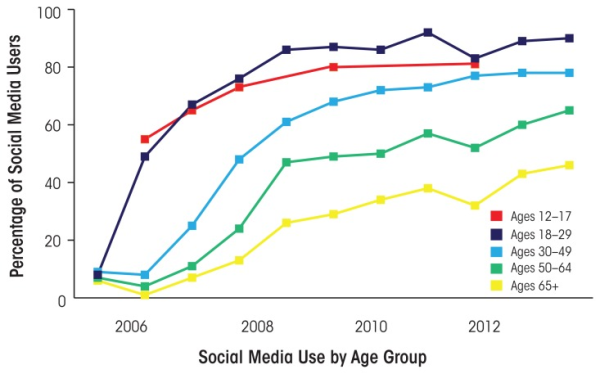
This doesn’t mean that social media is bad. In fact, I believe the opposite is true — we can use social media to promote knowledge and work towards neutralizing the narrative of drinking. Platforms are amplifying a culture where excessive drinking is normalized, but we can push back against that and reveal the consequences, the numbers and the true stories to reshape norms, especially for teenagers and young adults learning how to make healthy choices under peer influence. What goes viral shapes what seems acceptable and accessible, and we have the power to mold that.