

For over a decade, the “Avatar” fandom has existed in a state of perpetual yearning, waiting for a return to the world of the Four Nations that didn’t involve a line-action reimagining or a devise sequel. This month, they finally got it. “The Legend of Aang: The Last Airbender” arrived not with a theatrical roar, but with the quiet blow of a digital leak, following Paramount’s baffling decision to skip a wide release.
Having accessed the film, I can say that as a visual experience, it is nothing short of a revelation. Yet, as a piece of storytelling, it struggles to balance the weight of its own legacy against the corporate negligence that almost kept it in a vault. The article contains spoilers and scenes. The leaked film will not be shared.
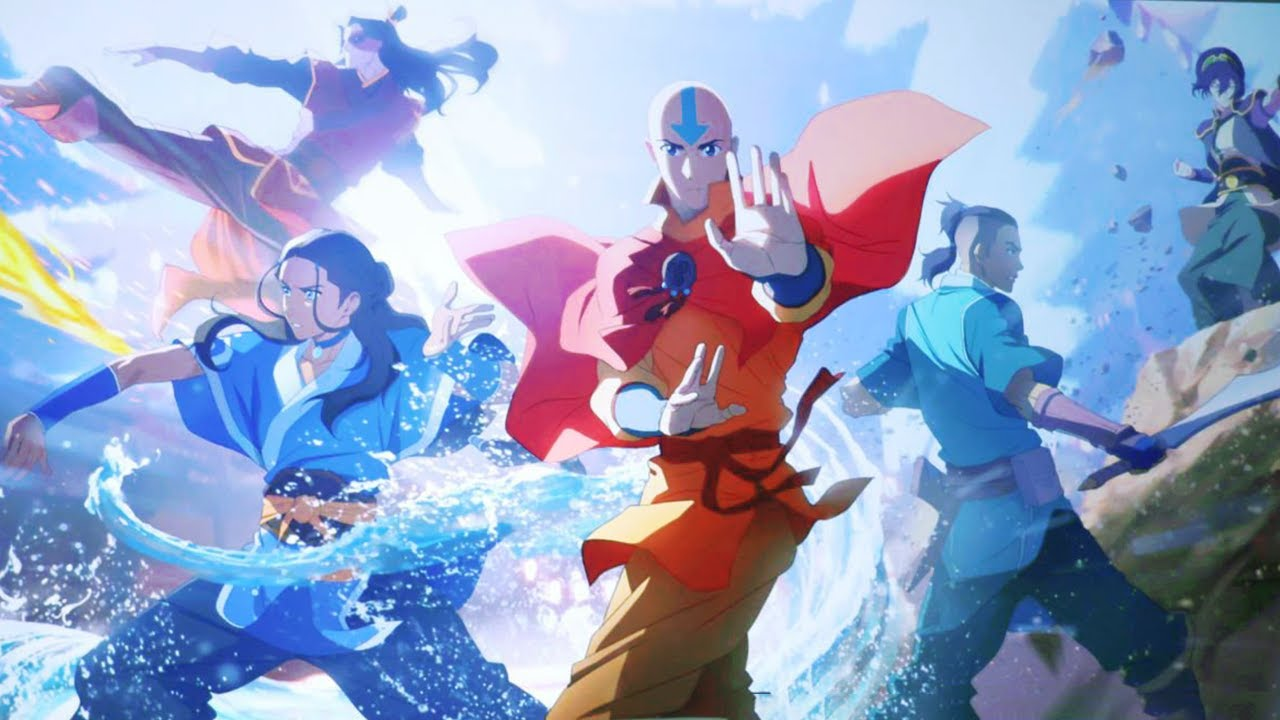
The first thing that directs your eyes is the sheer scale of the animation. Produced by Flying Bark Productions and Studio Mir, the film is arguably the most beautiful 2-D animated project ever put to screen. Every fight sequence is storyboarded with a kinetic energy that puts high-budget anime to shame. The bending, which was always the heart of the original series’ choreography, has been elevated to a fine art.
Water looks like glass; fire feels dangerous and volatile. The art style maintains the iconic silhouettes of the original show but adds a layer of intricate detail, from the textures of the Earth Kingdom’s rock formations to the subtle lighting in the Spirit World that demands a 4K screen.
The music, too, is a triumph. The score blends traditional Chinese and Indian instrumentation with heavy, pulse-pounding percussion that spikes your adrenaline during the film’s many (perhaps too many) action set pieces.
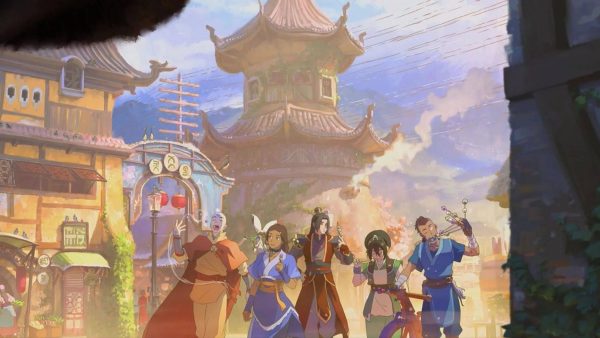
Moreover, to long-term fans, the “fan service” is the primary draw. Seeing the Gaang as adults—Aang with his towering height and Zuko with his sharpened warrior’s edge—is a nostalgic rush that actually works. There is a maturity to their designs that feels earned.
However, the film hasn’t escaped the “Twitter Treatment.” Much of the online discourse has centered on the infamous “hot spring” scene involving an adult Toph Beifong or the character in general.
While many users on social media have decried the scene as “too sexy” or out of character for the rugged Earthbender, I found myself leaning toward the positive. Yes, it’s a departure from the “blind bandit” we knew as a kid, and it definitely sparked a firestorm of debate, but there’s an argument to be made for allowing these characters to grow into their own skin.
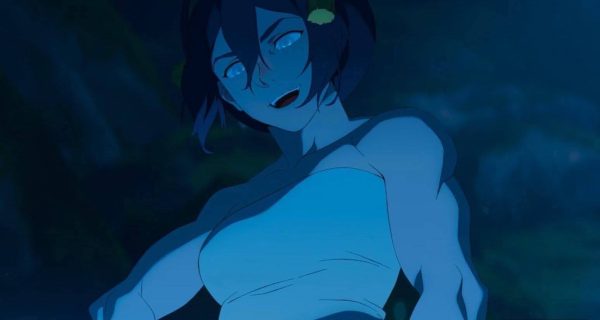
Toph has always been a character who defies expectations, and seeing her in a more vulnerable, feminine light—even if it’s a bit jarring—adds a layer of humanity to her otherwise “tough-as-rock” persona.
This shift actually provides a much-needed bridge to her future characterization in the wider Avatar canon. We know from established lore that Toph eventually becomes the Chief of Police and a mother to two daughters, Lin and Suyin, each from different fathers. Seeing her embrace this more mature, complex version of herself in the film helps explain that transition from a rebellious runaway to a woman who navigated complicated personal relationships on her own terms.
Despite the visual splendor, the middle of the film is where the pacing begins to stumble. The writing, unfortunately, feels like “filler.” It plays out like a non-canon anime movie where the stakes feel high in the moment, but you know by the end that nothing will truly change for the characters.
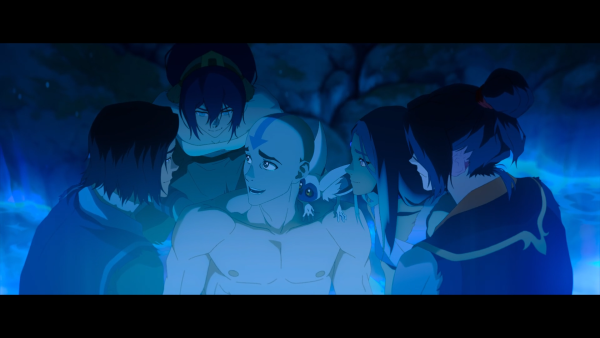
The voice acting is another point of contention. The new cast members, while talented, often sound flat. Aang, in particular, lacks the guttural emotion we’ve come to expect from the character. In moments of physical or emotional distress, the delivery is far too “clean,” lacking the vocal fry or desperation that made the original series resonate. Characters like Katara, Zuko, and Sokka feel like they are “just there,” acting more as vehicles for the animation than as core drivers of the plot.
Now, what irritates me most and the very frustrating part of “The Legend of Aang” isn’t on the screen; it’s the way it was handled by Paramount. Even though they have a gold mine franchise, the studio essentially “ghosted” the film. Virtually no promotion, no marketing campaign and the sudden shift from a theatrical release to a Paramount+ premiere felt like a white flag of surrender.
Why would a studio bury a project this visually stunning? It is a complete insult to the animators who spent years perfecting every frame, even if they were paid. But at the same time, they should empathize with the fans and riot against Paramount. The utter lack of “crap” done by the higher-ups to market this movie is a case study in how to kill a brand’s momentum. By the time the film finally hits the service in October of this year, most fans will have already seen the leaks because they were so tired of waiting for a release that never seemed to come.
Paramount treated this film like a tax write-off rather than the cultural event it should have been. It is a masterpiece of animation trapped in a cage of corporate incompetence. Although the movie may be “hollow” in its script, it honestly deserved a stage much bigger than a sidebar on a streaming app.
Nevertheless, “The Legend of Aang” is a perfect visual score and the narrative is decent. It is a film that is a beautiful, flawed and neglected company that doesn’t understand what it has. Watch it for the bending, stay for the adult Gaang, but don’t expect the heart that made the original show a legend.